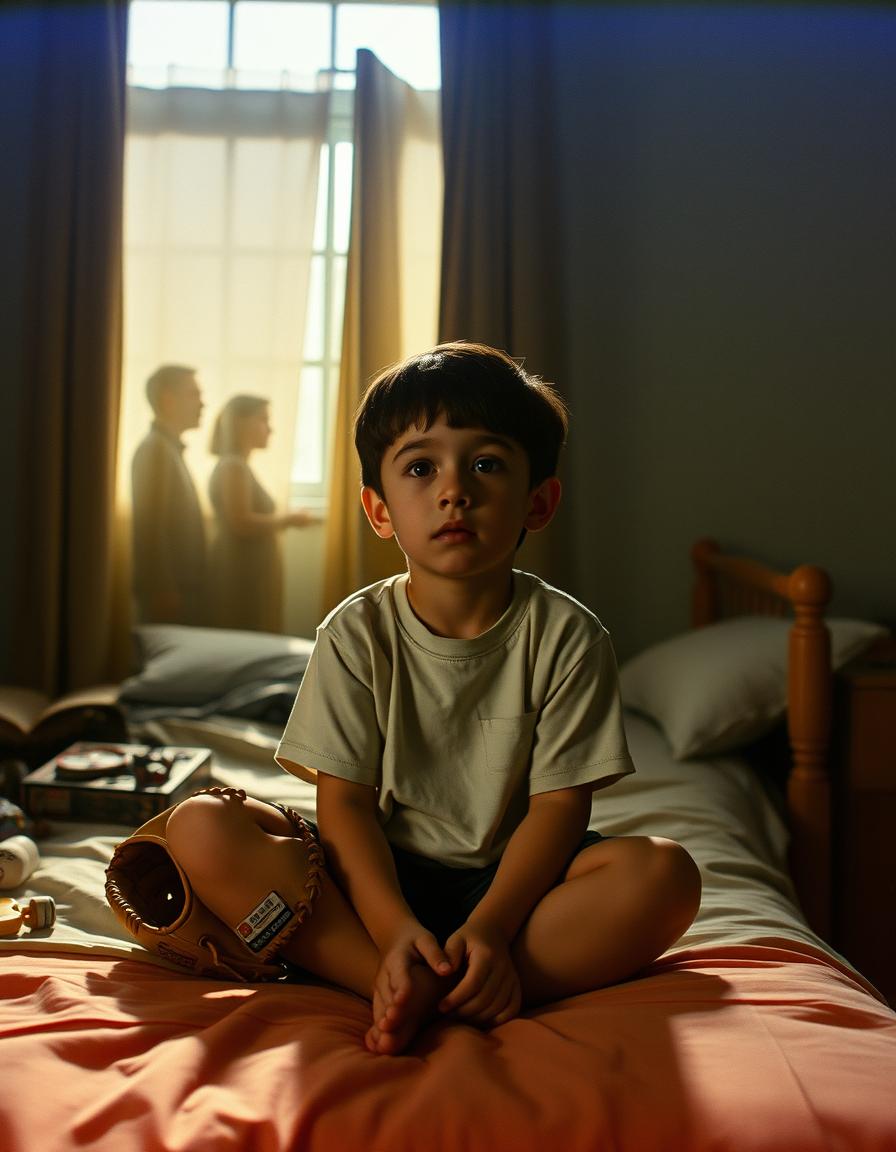
Families are often seen as the bedrock of a child’s development, a source of love, support, and guidance. However, not all families function in a way that nurtures a child’s well-being. In some cases, the environment within a home can be toxic, leading to what is commonly referred to as a dysfunctional family. This term describes a family unit where conflict, misbehavior, neglect, or abuse occurs frequently, and where family members are emotionally distant or even harmful to one another. Children growing up in such environments often face severe emotional and psychological challenges, which can lead to depression, self-harm, and, in tragic cases, suicide.
This blog post delves into the impact of dysfunctional families on children, explores the alarming outcomes such as depression and self-injury, and highlights the vital roles that peers, friends, and teachers can play in offering support and fostering resilience in these vulnerable young individuals.
Understanding Dysfunctional Families
A dysfunctional family is characterized by a lack of healthy communication, consistent support, and appropriate boundaries among its members. These families often exhibit patterns of behavior that are damaging and detrimental to the emotional and psychological health of their children. Common traits of dysfunctional families include:
- Abusive Relationships: This can be physical, emotional, or verbal abuse. Parents or guardians may use violence, threats, and derogatory language, leaving children feeling unsafe and unloved.
- Neglect: Children’s basic needs for food, shelter, education, and emotional support may be ignored, leaving them to fend for themselves.
- Substance Abuse: Parents may struggle with addiction, creating a chaotic and unpredictable home environment.
- Control and Manipulation: Overbearing parents may use control and manipulation to assert power over their children, often ignoring their children’s emotional needs and desires.
- Lack of Boundaries: In some families, boundaries are either too rigid or nonexistent, leading to inappropriate relationships and expectations.
- Self-Centric Behavior: Parents may prioritize their own needs, desires, and emotions over those of their children, failing to provide the necessary emotional support.
Children growing up in such environments are often forced to develop coping mechanisms that may be harmful in the long run. They might learn to suppress their emotions, withdraw from social interactions, or, in some cases, act out in ways that are harmful to themselves or others.
The Impact of Dysfunctional Families on Children
The effects of a dysfunctional family on a child can be profound and long-lasting. Children in these environments often experience a range of emotional and psychological issues that can follow them into adulthood.
1. Depression and Anxiety
One of the most common outcomes for children raised in dysfunctional families is the development of depression and anxiety. These children may feel isolated, unloved, and worthless, leading to deep-seated feelings of sadness and despair. The lack of a stable support system means that they are often left to navigate these complex emotions alone, without the guidance or reassurance they need.
Anxiety can manifest in various ways, including social anxiety, generalized anxiety disorder, or panic attacks. The unpredictability and fear associated with their home environment can make children hyper-vigilant, always on edge, and fearful of what might happen next.
2. Low Self-Esteem and Self-Worth
Children in dysfunctional families often grow up with a distorted sense of self-worth. They may internalize the negative messages they receive from their parents or guardians, believing that they are unlovable, inadequate, or responsible for the problems within their family. This low self-esteem can affect every aspect of their lives, from their academic performance to their relationships with others.
3. Self-Harm and Self-Injury
In some cases, the emotional pain that children from dysfunctional families experience becomes so overwhelming that they resort to self-harm as a way to cope. Self-injury, such as cutting, burning, or hitting oneself, can serve as a physical release for the intense emotional turmoil they are experiencing. It may also be a way for them to feel a sense of control over their pain, as they can choose when and how to hurt themselves.
Self-harm is often a cry for help, a desperate attempt to communicate their distress when words fail them. Unfortunately, it is also a behavior that can quickly spiral out of control, leading to more severe injury or even accidental death.
4. Suicidal Ideation and Attempts
Tragically, some children from dysfunctional families may see no way out of their pain other than through suicide. The constant stress, fear, and loneliness they experience can lead to feelings of hopelessness and the belief that their situation will never improve. Without intervention and support, these children may start to believe that ending their lives is the only way to escape their suffering.
The Role of External Support: Peers, Friends, and Teachers
While the effects of growing up in a dysfunctional family can be devastating, external support systems can play a crucial role in helping these children heal and develop resilience. Peers, friends, and teachers are often in a unique position to identify children who are struggling and offer the support they so desperately need.
1. Peers and Friends: Building a Supportive Network
Friends and peers can be a lifeline for children from dysfunctional families. They provide a sense of belonging, acceptance, and understanding that may be missing at home. Through positive relationships with peers, children can experience the love and support they crave, helping to mitigate some of the damage caused by their home environment.
- Recognizing the Signs: Peers and friends can often spot signs of distress that adults might miss. Changes in behavior, withdrawal from social activities, or expressions of hopelessness can all be indicators that a child is struggling.
- Offering Emotional Support: Sometimes, just knowing that someone cares can make all the difference. Friends can provide a listening ear, a shoulder to cry on, and a safe space for children to express their emotions.
- Encouraging Positive Coping Mechanisms: Friends can also encourage healthier ways of coping with stress, such as engaging in physical activities, creative outlets, or seeking help from a trusted adult.
2. Teachers: The Watchful Guardians
Teachers are often the first adults outside of the family to notice when a child is struggling. Their role as educators places them in a position of trust, where they can observe changes in a child’s behavior, academic performance, and social interactions.
- Identifying At-Risk Students: Teachers can be trained to recognize the signs of distress in children, such as declining grades, frequent absences, unexplained injuries, or sudden changes in behavior. By identifying at-risk students early, teachers can help connect them with the resources they need.
- Providing a Safe Environment: The school environment can serve as a sanctuary for children from dysfunctional families. Teachers can create a safe and nurturing space where students feel valued and supported.
- Connecting with Resources: Teachers can play a pivotal role in connecting children with counseling services, support groups, or other resources within the school or community. By facilitating these connections, teachers can help children access the support they need to heal and thrive.
3. The Power of Forgiveness and Resilience
One of the most important lessons that peers, friends, and teachers can impart to children from dysfunctional families is the power of forgiveness and resilience. While the pain of their past may never fully go away, these children can learn to forgive themselves and others, freeing themselves from the cycle of anger, resentment, and self-destruction.
- Building Resilience: Resilience is the ability to bounce back from adversity, and it can be cultivated through positive relationships, self-care, and the development of healthy coping mechanisms. By focusing on their strengths and fostering a sense of hope, children can learn to overcome the challenges they face.
- Encouraging Forgiveness: Forgiveness is not about condoning harmful behavior, but about releasing oneself from the burden of carrying anger and pain. Encouraging children to forgive can help them move forward with their lives, free from the emotional shackles of their past.
Conclusion: A Call to Action
The impact of growing up in a dysfunctional family can be profound and far-reaching, affecting every aspect of a child’s life. However, with the right support from peers, friends, and teachers, these children can find the strength to overcome their challenges and build a brighter future.
It is essential for all of us—whether we are parents, teachers, friends, or community members—to be vigilant and proactive in offering support to children who may be struggling. By creating a culture of care, compassion, and understanding, we can help break the cycle of dysfunction and give every child the opportunity to thrive.
If you or someone you know is struggling with the effects of a dysfunctional family, reach out for help. There are resources and people who care and are ready to support you on your journey to healing and happiness.
